



Drip Irrigation Demystified: Solve Water Wastage and Boost Your Yields Now
Water scarcity and inefficient farming practices pose significant challenges for modern agriculture. If you've experienced the stress of high water bills or inconsistent crop yields, you're not alone. Drip irrigation provides a solution that conserves water and enhances efficiency, yet many still find the topic perplexing.
Understanding Drip Irrigation
Drip irrigation is a technique that delivers water directly to the roots of plants using a network of pipes, valves, and emitters. Unlike conventional irrigation methods that apply water over large areas, drip systems emphasize precision—ensuring that each plant receives exactly what it requires.
Main Features of Drip Irrigation:
Delivers water in small, steady amounts.
Automation capabilities for added convenience.
Applicable to a diverse range of crops and landscapes.
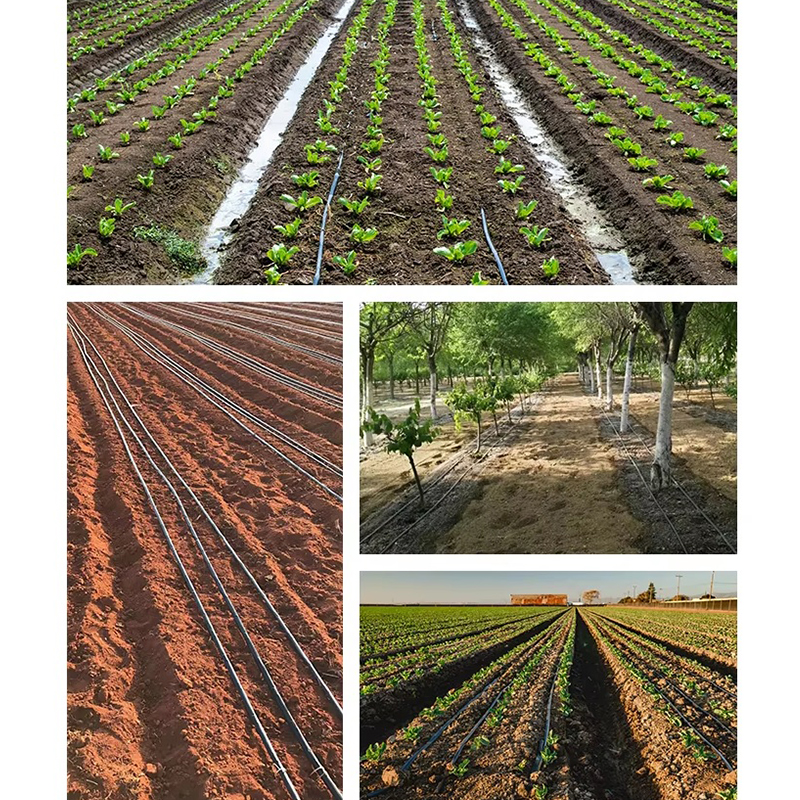
Advantages of Drip Irrigation
Drip irrigation is rapidly gaining traction for several compelling reasons:
Water Efficiency: Reduces water wastage by up to 50%, directing it only where it is most needed.
Stronger Plants: Prevents overwatering, minimizes soil erosion, and reduces fungal disease risk.
Cost Savings: Decreased water usage leads to lower utility expenses.
Versatility: Effective in a variety of terrains, including slopes and uneven land.
Automation: Timers and sensors facilitate easy management, even from a distance.
Disadvantages of Drip Irrigation
No system is without its drawbacks, and drip irrigation has some limitations:
Initial Investment: Setting up a drip system can be costly.
Maintenance Needs: Emitters may clog, requiring regular monitoring and cleaning.
Skill Needed: Proper installation and oversight demand knowledge and effort.
Comparing Drip Irrigation to Other Methods
How does drip irrigation fare against traditional and sprinkler systems?
| Feature | Drip Irrigation | Sprinklers | Traditional Flooding |
|---|---|---|---|
| Water Efficiency | Very high (90%) | Moderate (60-70%) | Low (40-50%) |
| Installation Cost | High | Moderate | Low |
| Maintenance | Medium (clogs) | Low | Low |
| Crop Suitability | Versatile | Grass, large crops | Rice, water-intensive crops |
Maintenance Tips for Drip Irrigation
To make the most of your drip irrigation setup, consider these best practices:
Filter the Water: Utilize filters to prevent emitter clogging.
Regular Inspections: Monthly checks for leaks or blockages are essential.
Optimize Emitter Placement: Position emitters close to plant roots for maximum efficiency.
Employ Automation: Invest in timers and soil moisture sensors to streamline watering schedules.
Adjust Seasonally: Modify the water delivery according to the growth cycles of your plants.
Conclusion
Drip irrigation presents a revolutionary method for addressing water waste and enhancing crop yields. Although the initial setup and ongoing maintenance may require careful planning, the long-term advantages significantly outweigh the challenges.
Are you prepared to elevate your farming or gardening practices? Discover drip irrigation solutions designed to meet your specific needs today and participate in the movement toward sustainable and efficient water use.
- Previous: What Factors Influence Buying Decisions for Corn Silage Headers?
- Next: None