



Maintenance and Operation of Anaerobic Digester Tanks
Proper maintenance and operation of anaerobic digester tanks improve efficiency, safety, and increase system lifespan. Regular inspections, cleaning schedules, and monitoring of critical parameters support stable performance. Anaerobic digestion breaks down organic matter in the absence of oxygen, providing several advantages for communities and industries.
Benefit Type | Description |
Disease Reduction | Anaerobic digesters can destroy more than 90 percent of disease-causing bacteria. |
Energy Generation | In 2013, energy generation from anaerobic digesters was approximately 840 million kWh equivalent. |
GHG Reduction | GHG reductions in 2013 were equivalent to the consumption of 284 million gallons of gasoline. |
Odor Reduction | Odors from anaerobically digested manures are significantly reduced. |
Economic Growth | Benefits include diversified farm revenue and rural economic growth. |
Water Quality Improvement | Anaerobic digestion improves water quality significantly. |
Best practices and proactive care help operators achieve these results and maintain reliable systems.
Key Takeaways
· Regular inspections are crucial. They help identify issues like leaks and mechanical failures early, ensuring stable anaerobic digestion.
· Cleaning anaerobic digester tanks prevents blockages. Choose the right cleaning method based on tank shape and sludge type for best results.
· Monitoring pH and temperature is essential. Keep pH between 6.8 and 7.2 and maintain stable temperatures to optimize biogas production.
· Proper substrate handling boosts biogas yield. Use a mix of feedstocks and adjust based on availability to enhance digestion performance.
· Routine maintenance extends the lifespan of digester tanks. Regular checks and timely repairs prevent breakdowns and ensure reliable operation.
Anaerobic Digester Tanks Maintenance
Inspections
Operators perform regular inspections to identify issues that affect the process inside anaerobic digester tanks. Inspections often reveal several common problems:
· Increased viscosity in the tank, which can cause operational difficulties.
· Poor mixing, leading to reduced biogas yield.
· Mechanical failures that disrupt the process.
· Ammonia toxicity when concentrations exceed 50 ppm.
· Toxic metals such as arsenic, cadmium, chromium, copper, nickel, zinc, and iron, which can harm the process at certain levels.
Routine inspections help detect these problems early. Operators can then take corrective action to maintain stable anaerobic digestion. Inspections also include checking for leaks, corrosion, and the condition of seals and gaskets.
Tip: Schedule inspections at regular intervals and after any process upset to ensure the system remains reliable.
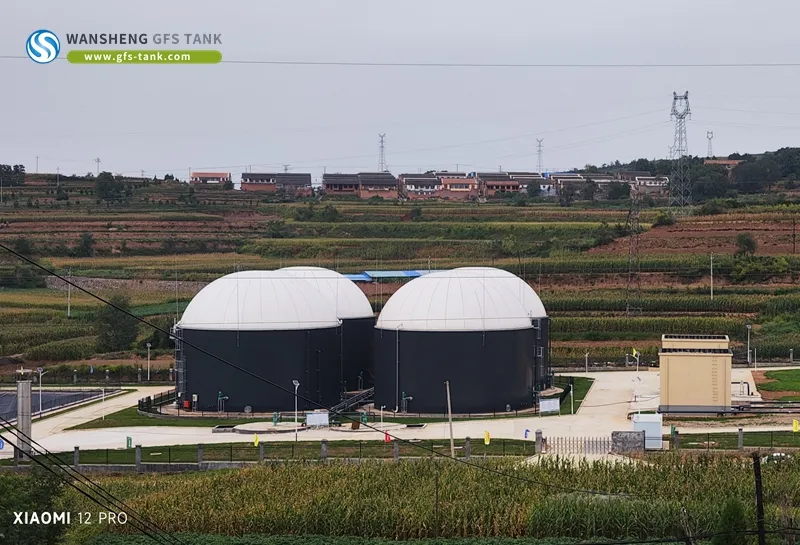
Cleaning
Cleaning removes sludge and other materials that build up during the process. The choice of cleaning method depends on the tank’s shape, the type of sludge, and disposal options. The most effective cleaning methods include:
Cleaning Method | Description |
Hydro-blasting | Mobilizes settled sludge, silt, and grit in digesters and storage tanks. |
Chemical Cleaning | Efficient and cost-effective for cleaning sensitive contaminated surfaces or hard-to-reach areas. |
Pressurized Water | Removes, transports, and disposes of residual solids, slurrying remaining material for removal. |
Operators select the method that best fits the needs of their anaerobic digester tanks. Regular cleaning supports efficient anaerobic digestion and prevents blockages that can interrupt the process.
Repairs
Repairs address mechanical and process-related issues that arise during operation. The most common repair needs include fixing mixers, pumps, and seals. Over-mixing can reduce methane production and create operational challenges. Excessive pre-separation may cause loss of organic matter and increase solid waste.
Repair/Service Type | Cost Estimate (Annual) |
Traditional Cleaning | $524,010 |
Bristola Cleaning | $142,125 |
Annual Savings | $381,885 |
Annual operation and maintenance costs for anaerobic digester tanks range from $11,000 to $51,000. Operators should plan for periodic shutdowns to perform major maintenance and replace worn parts. Scheduled repairs and replacements help maintain the process and extend equipment life.
Monitoring pH and Temperature
Monitoring pH and temperature is essential for a healthy process in anaerobic digestion. The optimal pH range for efficient operation is 6.8 to 7.2, with a tolerance from 6.5 to 8.0. Operators use sensors and regular sampling to track these values.
Optimal pH Range | Tolerance Range |
6.8 to 7.2 | 6.5 to 8.0 |
Temperature stability is also critical. Fluctuations can almost stop biogas production and delay methane generation for hours or even days.
Temperature Duration (h) | Relative Biogas Production (%) | Delay in Methane Production (h) |
1 | Almost stopped | 3 |
5 | Almost stopped | 11 |
12 | Almost stopped | 56 |
24 | Almost stopped | 72 |
Operators monitor these parameters closely to keep the process stable. They adjust heating and mixing systems as needed. Regular monitoring prevents process upsets and supports efficient anaerobic digestion.
Note: Scheduled shutdowns for major maintenance allow for thorough inspection, cleaning, and replacement of critical parts. This practice helps prevent unexpected failures and supports long-term operation of anaerobic digester tanks.
Operation Procedures
Feeding Substrate
Feeding substrate into anaerobic digester tanks is a key step in the digestion process. Operators select substrates based on their composition and energy content. Common substrates include manure, organic solid waste, fruit and vegetable waste, slaughterhouse waste, and food waste leachate. Each type offers different biogas yields and nutrient profiles.
Substrate Type | Biogas Yield (%) | Composition of Biogas |
Organic Solid Waste (OSW) | Substantial | 48–65% CH4, 36–41% CO2, etc. |
Fruit and Vegetable Waste | Decreased | High volatile fatty acids |
Slaughterhouse Waste | Enhanced by 52% | Mixed with fruit/vegetable waste |
Food Waste Leachate (FWL) | Highest with ISR | Effective gas recovery |
Operators often use co-digestion, which blends high-energy feedstocks like food waste with traditional substrates such as manure. This practice diversifies the feedstock mix and improves the nutrient balance in the tank. Co-digestion enhances microbial activity and increases biogas production, leading to better digester performance.
Proper substrate handling is essential. Operators grind and screen materials to remove contaminants and prepare them for digestion. They monitor the feed rate to avoid overloading the system, which can disrupt digestion and reduce performance.
Tip: Operators should adjust substrate types and ratios based on seasonal availability and desired biogas yield. This flexibility supports stable operation and maximizes the benefits of anaerobic digestion.
Agitation and Mixing
Agitation and mixing play a vital role in maintaining uniform conditions inside the digester. These processes distribute heat, nutrients, and microorganisms evenly throughout the tank. Proper mixing prevents the formation of scum layers and dead zones, which can lower digestion efficiency.
Mixing Mode | Biogas Yield (m³/kg VS) | Methane Content (%) | Production Change |
Intermittent Mixing | 0.33 ± 0.02 | 60.2 - 71.8 | Baseline |
Continuous Mixing | 0.20 - 0.25 | Decreased | -40% |
Minimal Mixing | 0.17 - 0.20 | Decreased | -50% |
Operators use different strategies, such as gas injection or mechanical agitation. Gas injection maintains mixing without increasing energy use, while mechanical agitation can save up to 52% in energy costs without reducing biogas output. Overmixing, however, can waste energy and disrupt microbial communities, so operators optimize mixing schedules for the best results.
Mixing systems must match the tank size and substrate type. Intermittent mixing often provides the best balance between energy savings and biogas yield. Operators monitor mixing effectiveness and adjust settings to maintain high digestion performance.
Equipment Use
Anaerobic digester tanks rely on several types of equipment for safe and efficient operation. Each component supports a specific part of the digestion process.
· Collection and pre-treatment components prepare substrates by removing debris and adjusting moisture levels.
· Primary digester tanks and vessels provide a controlled environment for digestion.
· Mixing systems ensure even distribution of heat and nutrients.
· Biogas collection and processing equipment capture and refine the produced gas.
· Control systems and monitoring technology track key parameters such as temperature, pH, and gas production.
Operators inspect and maintain all equipment regularly. They calibrate sensors and replace worn parts to prevent breakdowns. Proper equipment use improves system reliability and supports consistent digestion performance.
Note: Well-maintained equipment reduces downtime and extends the lifespan of the digester system, delivering long-term benefits.